



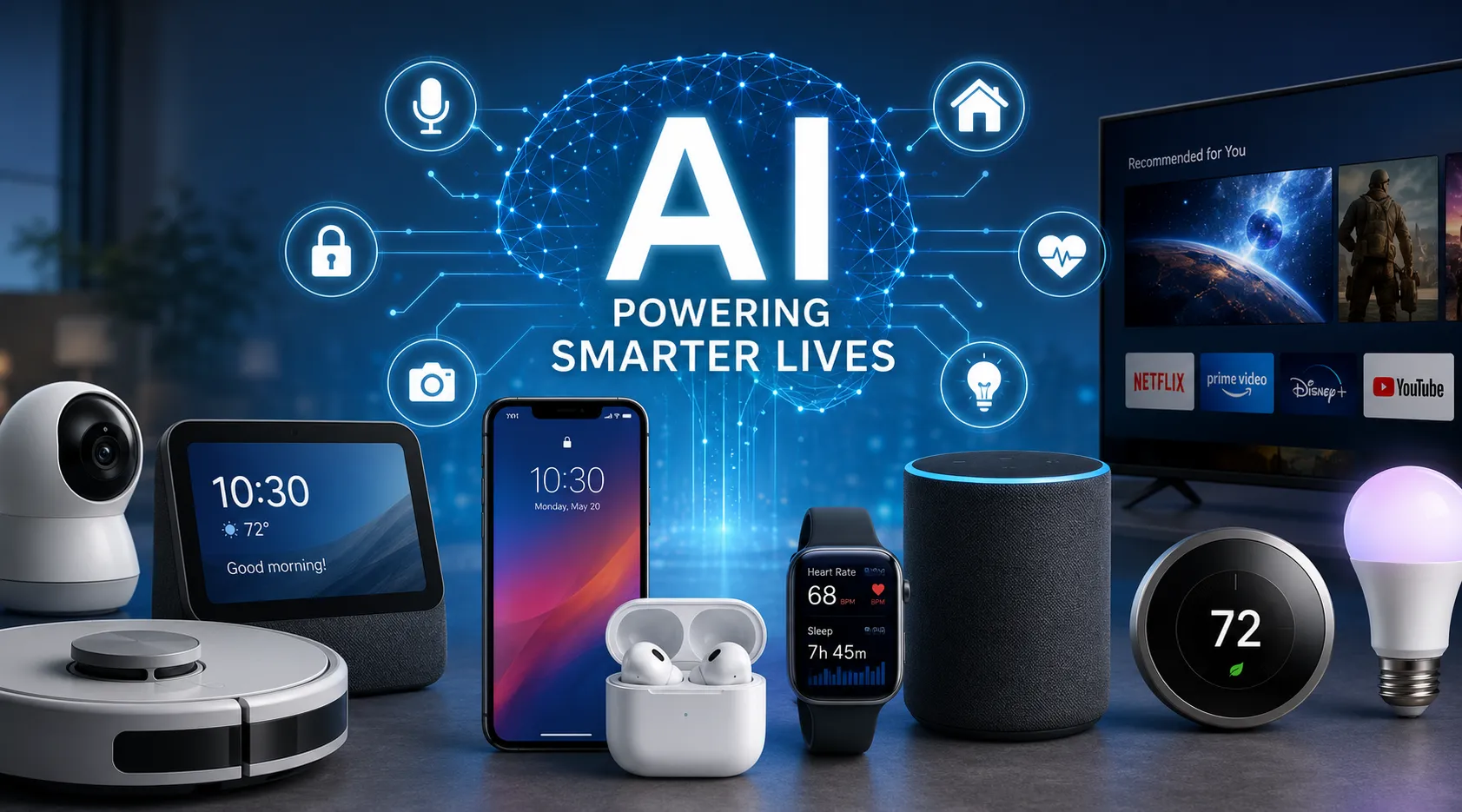

Artificial Intelligence (AI) is no longer a futuristic concept found only in science fiction movies. Today, AI is quietly powering many of the devices we use every day, from smartphones and smart speakers to security cameras and wearable technology. As AI continues to evolve, it is transforming consumer electronics in ways that make devices smarter, more personalized, and easier to use.
Whether you’re controlling your home with voice commands or receiving personalized recommendations on your smartphone, chances are AI is working behind the scenes. In this article, we’ll explore how AI is changing consumer electronics and what this means for consumers in the years ahead.
What Is AI in Consumer Electronics?
Artificial Intelligence refers to technology that enables devices to perform tasks that typically require human intelligence. These tasks can include learning from data, recognizing patterns, understanding language, making decisions, and solving problems.
In consumer electronics, AI helps devices adapt to users’ habits and preferences. Instead of simply following instructions, AI-powered devices can learn from behavior and improve their performance over time.
This shift has transformed electronics from basic tools into intelligent assistants that can anticipate user needs and provide more personalized experiences.
Smarter Smartphones
One of the most noticeable examples of AI in consumer electronics is the modern smartphone.
Today’s smartphones use AI to improve photography, battery life, voice recognition, and overall performance. AI-powered cameras can automatically identify scenes, adjust lighting conditions, and enhance image quality without requiring manual adjustments.
AI also helps optimize battery usage by learning how users interact with their devices throughout the day. By prioritizing frequently used apps and limiting background processes, smartphones can extend battery life while maintaining performance.
Voice assistants have also become more intelligent thanks to AI, making it easier to set reminders, search for information, send messages, and control smart home devices.
The Rise of Smart Home Technology
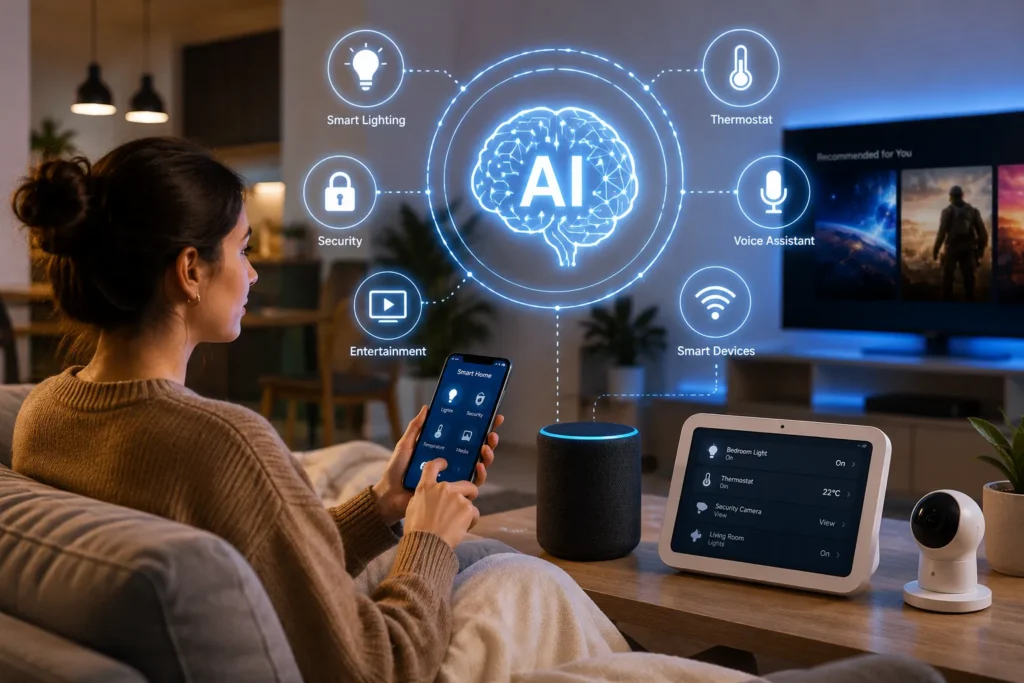
AI has become the driving force behind the growing popularity of smart homes.
Smart speakers, smart displays, thermostats, security systems, and connected appliances now use AI to automate daily tasks and improve convenience.
For example, AI-powered smart thermostats can learn a household’s routine and automatically adjust temperatures to maximize comfort and energy efficiency. Smart lighting systems can adapt to occupancy patterns and time of day, reducing energy consumption.
Meanwhile, smart speakers can understand natural language commands and respond more accurately than earlier generations of voice assistants.
The result is a home environment that feels more responsive and personalized.
Better Security Through AI
Home security technology has advanced significantly with the help of artificial intelligence.
Traditional security cameras simply recorded footage and detected motion. AI-powered security systems go much further by analyzing activity in real time.
Modern security cameras can:
- Recognize faces
- Distinguish people from pets
- Identify vehicles
- Detect unusual behavior
- Send smart notifications
This reduces false alarms and helps homeowners focus on genuine security concerns.
AI-powered doorbells and surveillance systems have become increasingly popular because they provide more accurate monitoring and enhanced peace of mind.
AI in Wearable Technology
Wearable devices such as smartwatches and fitness trackers have become smarter and more useful thanks to AI.
Rather than simply counting steps, today’s wearables can analyze health data and provide meaningful insights.
AI helps these devices:
- Monitor heart rate trends
- Analyze sleep quality
- Track stress levels
- Recommend workout routines
- Detect unusual health patterns
By processing large amounts of personal health data, AI can help users make informed decisions about their fitness and well-being.
As healthcare technology continues to advance, wearables may play an even larger role in preventive health monitoring.
Personalized Entertainment Experiences
Streaming platforms, smart TVs, and audio devices are also benefiting from AI technology.
Many consumers interact with AI every day without realizing it. Recommendation systems on streaming platforms use AI to analyze viewing habits and suggest content based on personal preferences.
Similarly, music streaming services use AI to create playlists tailored to individual listening habits.
AI-powered televisions can optimize picture quality automatically based on content type, while audio devices can adjust sound settings according to room conditions and user preferences.
These personalized experiences help consumers discover content they enjoy while improving overall entertainment quality.
Smarter Audio Devices
Wireless earbuds and headphones have evolved far beyond simple audio playback.
AI-powered audio devices now feature:
- Adaptive noise cancellation
- Voice enhancement
- Personalized sound profiles
- Real-time language translation
- Intelligent call optimization
These features improve both entertainment and communication experiences.
For example, AI can automatically reduce background noise during phone calls, making conversations clearer in busy environments.
As remote work and virtual communication continue to grow, AI-powered audio technology is becoming increasingly valuable.
Energy Efficiency and Sustainability
One of the less obvious benefits of AI in consumer electronics is improved energy efficiency.
Many modern devices use AI to optimize power consumption without sacrificing performance.
Examples include:
- Smartphones managing battery usage
- Smart appliances reducing electricity consumption
- HVAC systems optimizing heating and cooling
- Smart lighting minimizing energy waste
As consumers become more environmentally conscious, AI is helping manufacturers create products that are both powerful and sustainable.
This trend is expected to become even more important as governments and businesses focus on reducing energy consumption and carbon emissions.
AI-Powered Customer Experiences
AI is also changing how consumers interact with electronic products and brands.
Virtual assistants, chatbots, and automated support systems now provide faster and more accurate customer service.
Many electronics companies use AI to:
- Troubleshoot technical issues
- Recommend products
- Answer customer questions
- Provide software updates
- Predict maintenance needs
This improves user satisfaction while reducing support wait times.
Consumers benefit from quicker solutions and more personalized assistance throughout the product lifecycle.
Challenges and Concerns
While AI offers many advantages, it also raises important questions.
Privacy remains one of the biggest concerns surrounding AI-powered devices. Many smart gadgets collect data to improve functionality, which makes transparency and security essential.
Consumers should carefully review privacy settings and understand how their information is collected, stored, and used.
Additionally, as AI becomes more integrated into daily life, manufacturers must ensure that systems remain secure and resistant to cyber threats.
Responsible AI development will play a critical role in maintaining consumer trust.
What the Future Looks Like
The future of consumer electronics is closely tied to advancements in artificial intelligence.
In the coming years, consumers can expect:
- More personalized devices
- Improved voice assistants
- Smarter home automation
- Enhanced health monitoring
- Better predictive technology
- Greater energy efficiency
AI will continue to make devices more intuitive and capable of understanding user needs before they are even expressed.
As technology becomes increasingly connected, AI will serve as the foundation for a more intelligent digital ecosystem.
Final Thoughts
Artificial Intelligence is fundamentally changing consumer electronics. From smartphones and smart homes to wearables and entertainment systems, AI is making devices more intelligent, efficient, and user-friendly.
The goal is no longer simply to create powerful gadgets but to create products that understand users and adapt to their lifestyles.
As AI technology continues to evolve, consumers can look forward to electronics that are more personalized, proactive, and capable than ever before. For anyone interested in technology, the AI revolution is already here—and it’s only just getting started.
FAQs
How is AI used in consumer electronics?
AI is used to improve performance, automate tasks, personalize user experiences, optimize energy consumption, and enhance device functionality.
What are examples of AI-powered consumer electronics?
Examples include smartphones, smart speakers, fitness trackers, smart security cameras, robot vacuums, and wireless earbuds.
Does AI improve battery life?
Yes. Many devices use AI to learn usage patterns and optimize battery consumption for improved efficiency.